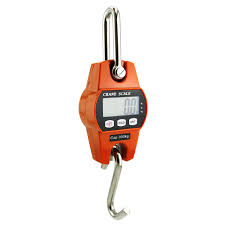
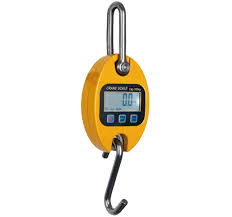
Modern warehouses are no longer just storage spaces—they are highly connected, data-driven environments where speed, accuracy, and traceability are essential. As warehouses evolve, integrating crane scales with modern warehouse systems has become a key strategy for improving operational efficiency and reducing errors in material handling.
This article explores how crane scale integration works, its benefits, and what warehouses should consider when implementing connected weighing solutions.
Why Integration Matters in Today’s Warehouses
Traditional crane scales often operate as standalone devices, requiring operators to manually record weight readings. This approach can lead to:
- Data entry errors
- Slower workflows
- Inconsistent inventory records
- Limited visibility across operations
By integrating crane scales directly with warehouse systems, weight data becomes automatically captured, shared, and analyzed—unlocking smarter and faster decision-making.
What Does Crane Scale Integration Mean?
Crane scale integration refers to connecting weighing equipment with digital warehouse platforms such as:
- Warehouse Management Systems (WMS)
- Enterprise Resource Planning (ERP) systems
- Inventory control software
- Logistics and shipping platforms
This is typically achieved using digital or wireless crane scales that transmit data via Bluetooth, Wi-Fi, RF, or wired connections.
Key Benefits of Integrating Crane Scales
1. Improved Inventory Accuracy
Automated weight capture ensures that inventory records are updated in real time. This reduces discrepancies between physical stock and system data, improving stock visibility and audit accuracy.
2. Faster Warehouse Operations
Integrated crane scales eliminate manual recording and re-keying of data. Weights are transferred instantly into warehouse systems, speeding up receiving, picking, and dispatch processes.
3. Reduced Human Error
Automation minimizes the risk of transcription errors, incorrect unit conversions, or missed entries—common issues in manual weighing workflows.
4. Real-Time Data Visibility
Warehouse managers gain instant access to load weights, movement data, and throughput metrics, enabling better planning and resource allocation.
5. Enhanced Compliance & Traceability
Integrated data logs provide a reliable audit trail for quality control, safety compliance, and customer reporting.
How Crane Scales Integrate with Warehouse Systems
🔗 Wireless Connectivity
Many modern crane scales transmit data wirelessly to handheld devices, terminals, or directly into WMS/ERP platforms, allowing operators to work safely away from suspended loads.
🧩 Software Interfaces & APIs
Advanced crane scales support APIs or middleware that enable seamless communication with existing warehouse software, even in multi-vendor environments.
📊 Data Synchronization
Weight data can be automatically linked to:
- Item IDs or SKUs
- Batch or lot numbers
- Storage locations
- Shipping documents
This creates a complete digital record for every lifted load.
Practical Use Cases in Warehousing
📦 Inbound Receiving
As goods are unloaded and weighed, crane scale data feeds directly into the WMS, updating inventory counts instantly.
🏗️ Bulk Material Handling
For warehouses handling steel, timber, or bulk materials, integrated crane scales ensure accurate tracking without slowing operations.
🚚 Shipping & Dispatch
Accurate weight data is sent directly to logistics and shipping systems, supporting correct documentation and optimized transport planning.
Key Considerations Before Integration
Before integrating crane scales into your warehouse system, consider the following:
✔ Compatibility
Ensure crane scales are compatible with your existing WMS or ERP software.
✔ Accuracy & Calibration
Integrated systems are only as reliable as the data they receive. Regular calibration is essential.
✔ Network Reliability
Wireless integrations require stable connectivity to avoid data loss or delays.
✔ Operator Training
Staff must understand how integrated systems work and how to respond to system alerts or errors.
The Future of Connected Warehouses
As warehouses move toward Industry 4.0, crane scale integration will play an even greater role. Future systems will include:
- IoT-enabled predictive maintenance
- AI-driven load and throughput analysis
- Cloud-based dashboards for multi-site visibility
- Seamless integration with automated material handling systems
Crane scales will no longer be standalone tools—they will be intelligent data sources within fully connected warehouse ecosystems.
Conclusion
Integrating crane scales with modern warehouse systems transforms weighing from a manual task into a streamlined, automated process. The result is greater accuracy, faster operations, improved safety, and better visibility across the entire warehouse.
For warehouses looking to improve efficiency and stay competitive, crane scale integration is not just an upgrade—it’s a strategic advantage.