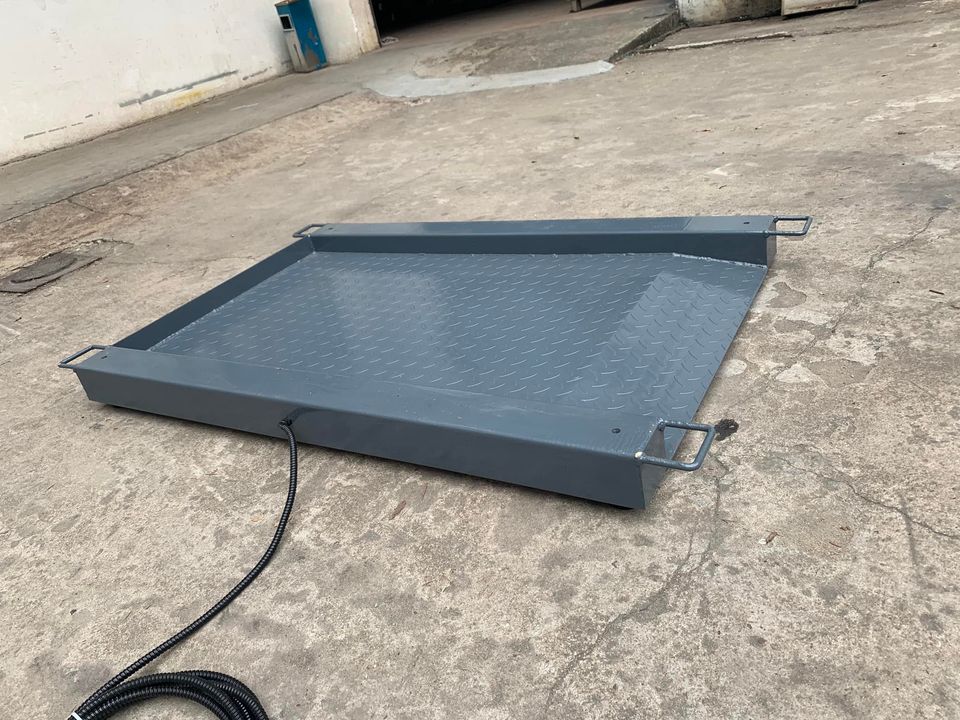
A weighing scale is only as useful as its accuracy. Whether you’re selling goods, conducting laboratory experiments, or monitoring production, a scale that is out of calibration can lead to errors, losses, and compliance issues. That’s why calibration is such an essential process.
Understanding Calibration
Calibration is the process of checking and adjusting a weighing scale to ensure it measures accurately. During calibration, the scale’s readings are compared against known reference weights. If the scale’s measurement differs from the reference, it is adjusted so that it displays the correct weight.
In simple terms, calibration makes sure your scale “tells the truth” About the weight of objects you place on it.
Why Calibration Is Important
- Accuracy: Ensures that the scale displays the correct weight within its specified tolerance.
- Consistency: Prevents fluctuating or unreliable readings over time.
- Legal Compliance: For retail, trade, or commercial use, many countries (including Uganda) require calibrated scales for fair trade.
- Quality Control: In laboratories and manufacturing, precise weight measurements are critical for maintaining product standards.
- Customer Trust: Accurate weighing builds confidence in your business, whether you sell by weight or monitor inventory.
How Calibration Works
- Preparation: The scale is placed on a flat, stable, and vibration-free surface. It is powered on, allowed to warm up (if digital), and zeroed.
- Reference Weights: Certified test weights of known mass are placed on the scale.
- Comparison: The readings of the scale are compared to the actual known weights.
- Adjustment: If the scale readings are off, it is adjusted or calibrated until the measured value matches the reference weight.
- Documentation: A calibration certificate is often issued, showing the scale’s accuracy and calibration date.
Types of Calibration
- Internal Calibration: The scale has built-in reference weights or software that allows it to self-calibrate.
- External Calibration: Certified test weights are used externally to verify and adjust the scale.
- Professional Calibration: Performed by licensed technicians or calibration service providers, often required for legal or commercial compliance.
How Often Should Scales Be Calibrated?
The frequency depends on scale type and usage:
|
Scale Type |
Recommended Calibration Frequency |
|
Retail & Trade |
Every 6–12 months |
|
Industrial / Heavy Duty |
Every 6–12 months |
|
Laboratory / Precision |
Every 3–6 months |
|
Medical |
Every 3–6 months |
Scales should also be calibrated after moving, repair, or if readings seem inaccurate.
Conclusion
Calibration of a weighing scale ensures accuracy, consistency, and reliability. It protects businesses from financial losses, ensures regulatory compliance, and maintains customer trust. Whether it’s a home, commercial, or industrial scale, regular calibration is an essential step in maintaining precision and confidence in your measurements.