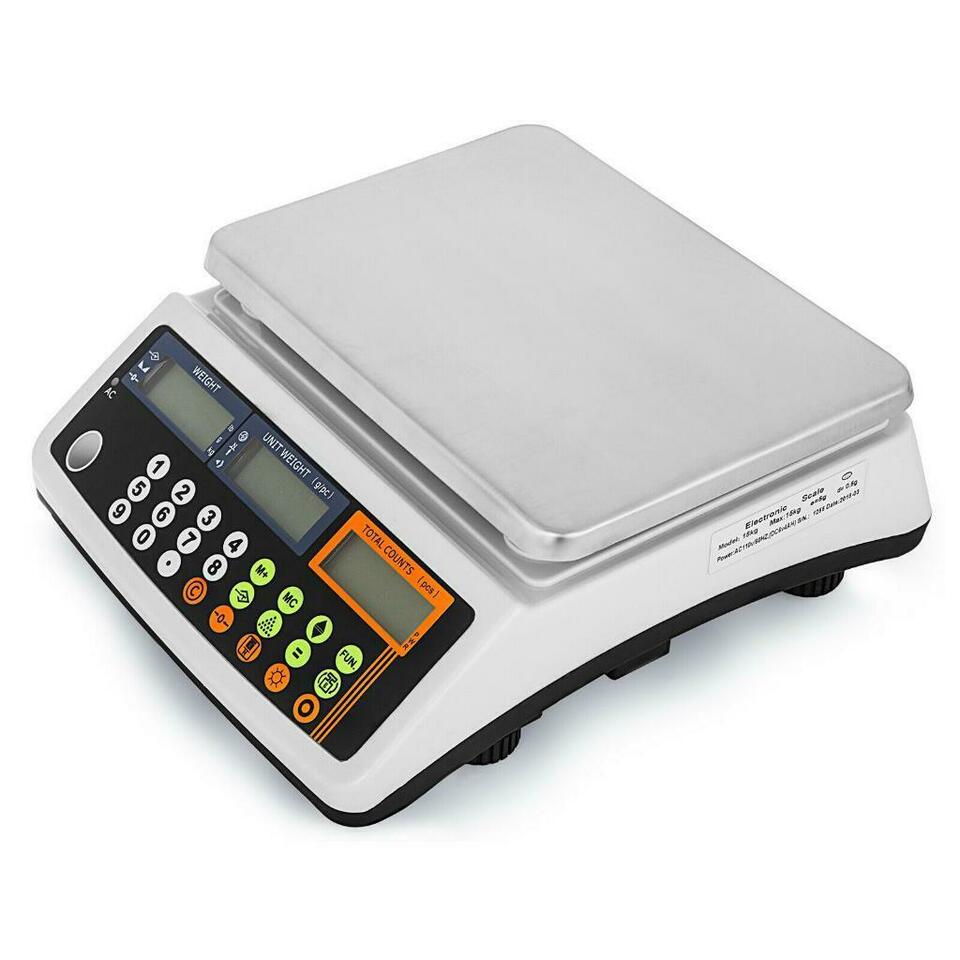
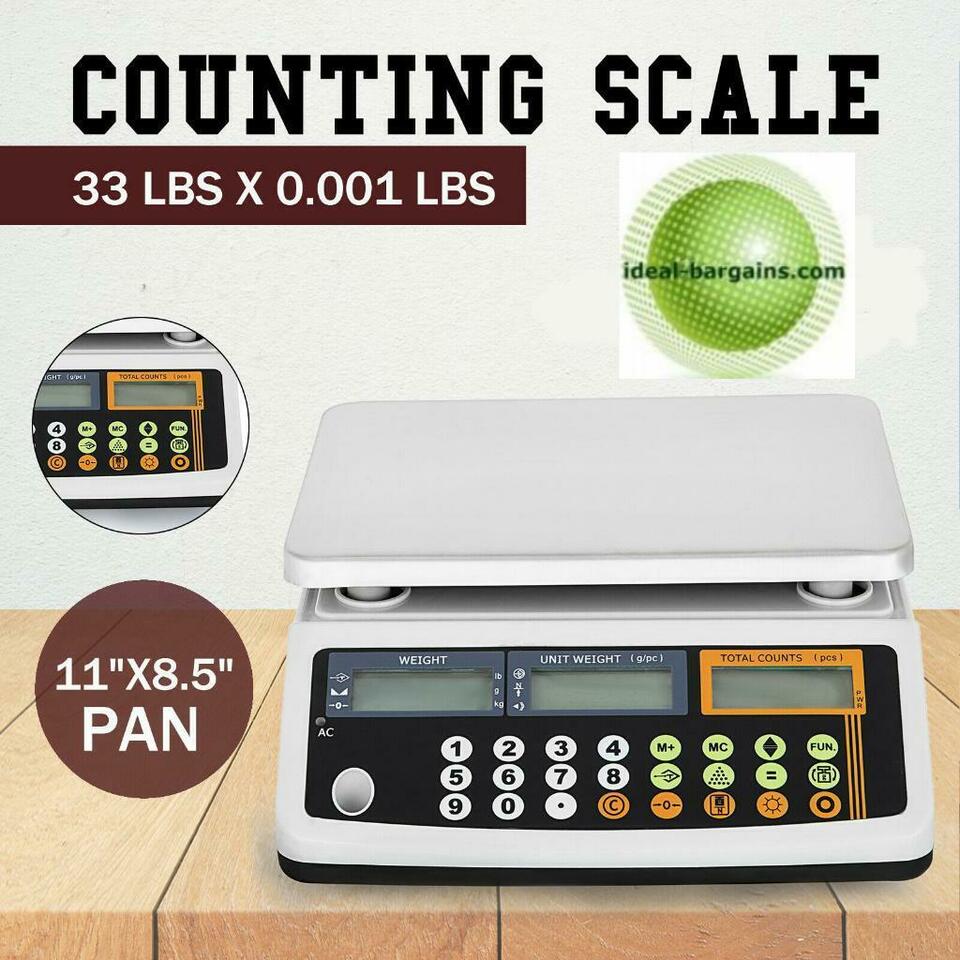
Buying a weighing scale may seem simple, but selecting the right one requires careful consideration. Whether it’s for home use, industrial purposes, retail, or laboratory work, choosing the wrong scale can lead to inaccurate measurements, wasted money, or operational issues.
Here’s a guide to what you should check before buying a weighing scale.
1. Purpose and Application
The first step is to determine what you will use the scale for:
- Home use: Body weight, cooking, or small items
- Retail: Selling goods by weight with legal-for-trade compliance
- Industrial: Heavy loads, bulk materials, or shipping
- Laboratory: High-precision measurements for experiments or formulations
Different applications require different types of scales, so knowing your purpose will help narrow your options.
2. Maximum Capacity
Maximum capacity is the heaviest weight a scale can measure accurately.
- For home or kitchen use, scales usually range from a few grams to 5–10 kg.
- Industrial or platform scales may measure hundreds of kilograms or more.
- Always choose a scale with a maximum capacity slightly higher than the heaviest item you plan to weigh.
3. Readability (Precision)
Readability indicates the smallest weight increment the scale can detect.
- High-precision tasks, such as laboratory work, require fine readability (e.g., 0.001 g).
- Everyday use or industrial weighing may only need 1 g or 10 g readability.
- Keep in mind that higher precision often comes with lower maximum capacity.
4. Accuracy and Calibration
Check the accuracy specifications and whether the scale can be calibrated:
- Look for scales that are calibration-ready or come with calibration certificates.
- For commercial use, ensure the scale is certified for legal trade if required.
- Some scales allow internal or external calibration for long-term accuracy.
5. Type of Scale
Consider the scale type based on your needs:
- Digital scales: Easy to read, fast, and accurate
- Mechanical scales: Durable and simple but less precise
- Platform scales: Suitable for large or heavy items
- Analytical or laboratory scales: Extremely precise for small measurements
6. Build Quality and Durability
- Industrial and retail environments require robust, durable scales that can handle frequent use.
- Waterproof or dustproof designs are important for kitchens, labs, or industrial areas.
- Check for materials like stainless steel or reinforced plastics for longevity.
7. Additional Features
Modern scales offer extra features that may be useful:
- Multiple units of measurement (grams, kilograms, pounds, ounces)
- Tare function to subtract container weight
- Counting function for inventory
- Connectivity (USB, Bluetooth) for data tracking
- Battery or mains operation for convenience
8. Budget and Warranty
- Compare price vs features to get the best value.
- Check for warranty and after-sales service, especially for industrial or high-precision scales.
Conclusion
Buying the right weighing scale is more than just picking the cheapest option. Consider purpose, maximum capacity, readability, accuracy, type, build quality, and additional features to ensure you get a scale that meets your needs reliably and accurately. Taking the time to evaluate these factors will save you from future headaches and ensure precise measurements for years to come.