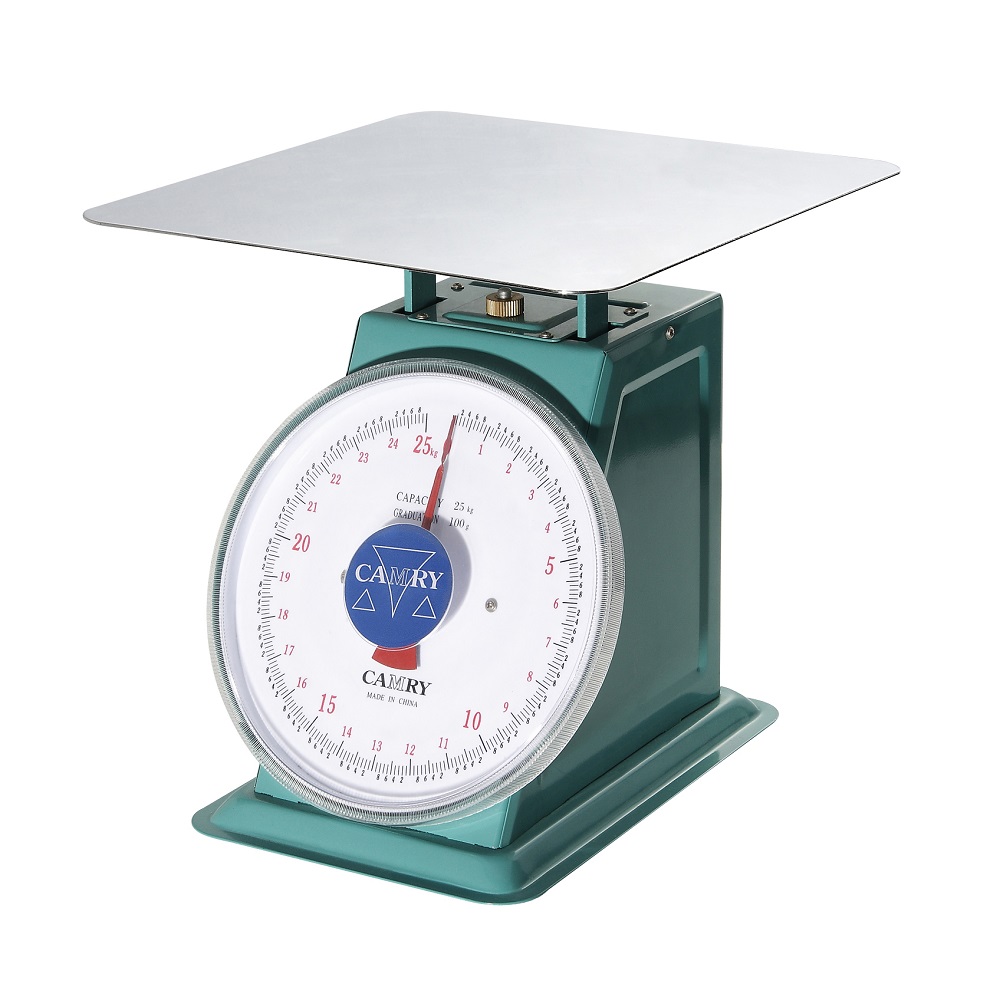
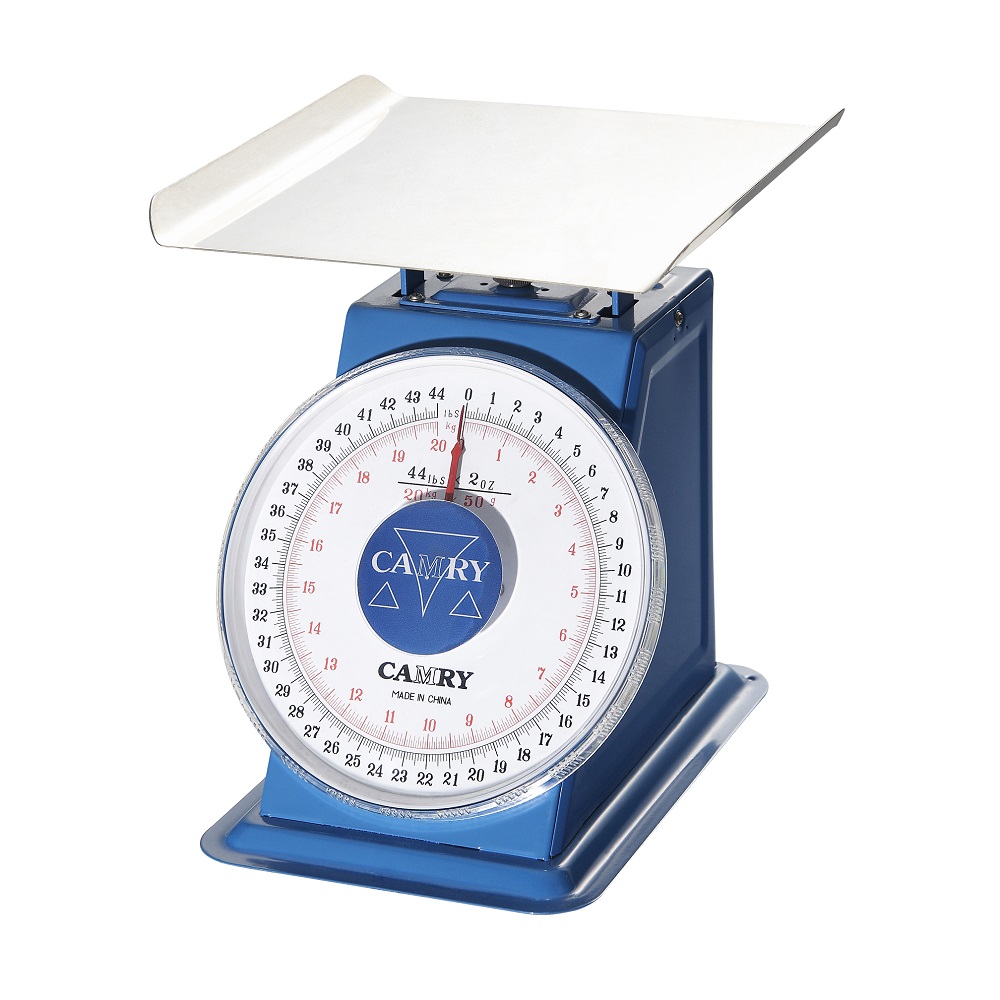
When it comes to healthy eating, most of us think about choosing the right foods — whole grains, lean proteins, fruits, and vegetables. But how much we eat is just as important as what we eat. That’s where a kitchen food scale becomes a powerful tool, and why many dietitians encourage their clients to use one at home.
If you're aiming for weight management, balanced nutrition, or improved portion control, here's why a food scale might be one of the smartest additions to your kitchen.
1. Accurate Portion Control
Most people unintentionally underestimate or overestimate portion sizes. A tablespoon of peanut butter or a cup of cooked rice may look different to different people — but a scale tells the truth.
Dietitian Insight:
“Using a scale eliminates portion guesswork, helping people better understand serving sizes and avoid accidental overeating,” says registered dietitian Anna R., RD.
2. Essential for Calorie and Macro Tracking
If you're counting calories, protein, carbs, or fat, measuring by volume (like cups or spoons) simply isn't precise enough. Scales allow you to weigh ingredients in grams or ounces, which aligns with how food data is listed in most nutrition apps.
With a scale, you can log your meals with confidence — no more approximations or confusing conversions.
3. Better Blood Sugar and Weight Management
For people managing diabetes, insulin dosing, or other health concerns, accurate food measurement is crucial. Knowing exactly how many grams of carbohydrates you're consuming helps you maintain stable blood sugar levels.
Similarly, for those looking to lose weight or maintain a healthy weight, a scale supports more mindful eating habits by showing exactly what’s on your plate.
4. Consistency in Meal Prep and Cooking
Even beyond nutrition, a kitchen scale helps with recipe accuracy, especially in baking. Precise measurement leads to better texture, flavor, and cooking results.
Dietitians also recommend scales for people prepping meals in advance — helping ensure equal portions and properly balanced meals throughout the week.
5. Teaches Long-Term Portion Awareness
The more you use a food scale, the more you'll begin to recognize accurate portion sizes by sight. It becomes a learning tool that builds better habits over time — even when you're not using it.
Think of it as training wheels for your nutrition knowledge.
6. Supports Special Diets and Food Sensitivities
If you're following a specific eating plan (e.g., gluten-free, low-FODMAP, ketogenic), precision matters. A food scale helps you:
- Track carb intake
- Ensure correct serving sizes of sensitive ingredients
- Avoid overdoing foods that may trigger symptoms
Final Thoughts
A kitchen food scale isn’t just for professional chefs or fitness fanatics — it’s a practical, affordable tool that supports healthier eating habits for everyone. From improving portion control to helping, you stick to dietary goals; it empowers you to eat more mindfully and more accurately.
✅ Trusted by dietitians
✅ Backed by science
✅ Easy to use at home
Ready to take control of your nutrition?
Explore our range of digital kitchen weighing scales and start making every bite count — with confidence and clarity.